 how-to
AC Maintenance Checklist: Keep Your System Running
Last Updated: October 23, 2026
Quick Summary
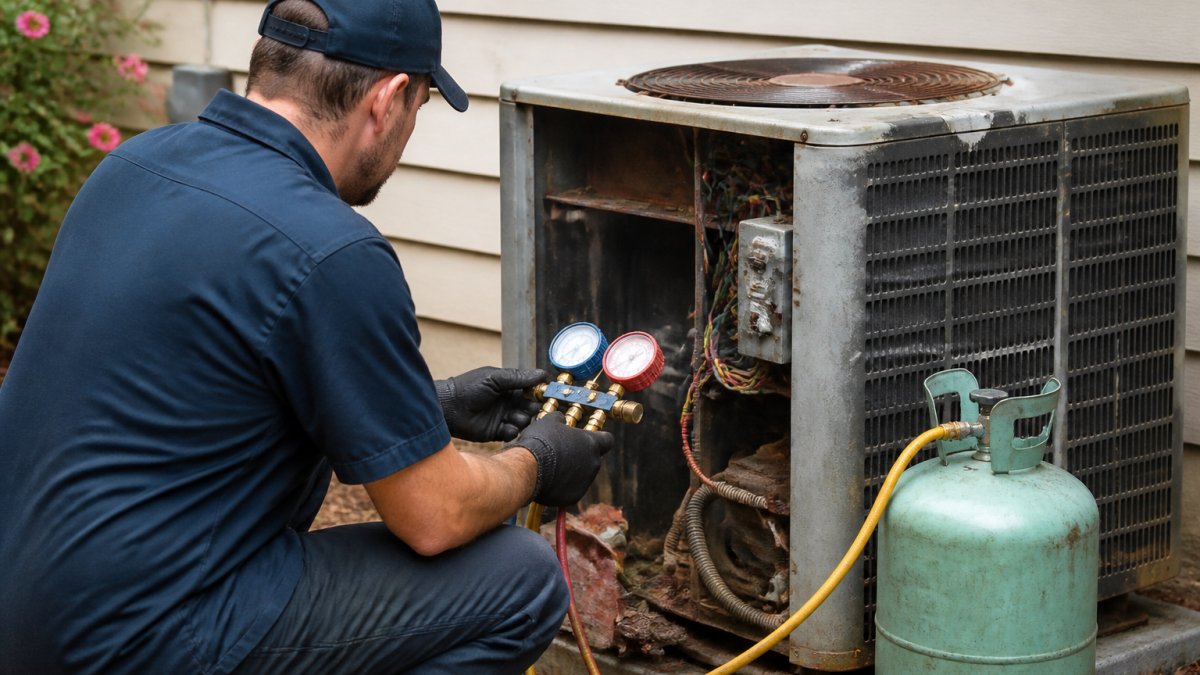
Reliable ac maintenance katy in Texas involves professional inspections that check refrigerant levels, test electrical connections, clean coils, and verify all components operate within manufacturer specifications. Spring and fall tune-ups catch problems before they become emergencies, keeping your system running efficiently through brutal summers and protecting your cooling investment.
- Schedule maintenance twice yearly, ideally in spring before cooling season and fall after summer stress
- A professional tune-up includes refrigerant testing, electrical inspection, coil cleaning, and ductwork evaluation
- Replace air filters monthly or quarterly and keep outdoor and indoor units clear of debris and obstructions
- Verify your HVAC contractor holds an active Texas license through the TDLR database before hiring
- Warning signs requiring immediate service include weak cooling, unusual sounds, visible leaks, higher energy bills, and system cycling problems
Table of Contents
- Why AC Maintenance Matters in Katy's Climate
- AC Maintenance Checklist: What to Inspect Before Professional Service
- What a Professional Tune-Up Includes
- How to Choose an HVAC Contractor You Can Trust
- Texas HVAC Contractor License Lookup and Verification
- Questions to Ask an HVAC Contractor Before Hiring
- Warning Signs Your AC Needs Maintenance Now
- Maintenance Timing for Katy's Heat and Humidity
- Frequently Asked Questions
Why AC Maintenance Matters in Katy's Climate
The heat and humidity here are relentless. Summer temperatures routinely exceed 95°F, and the moisture in the air puts constant stress on cooling systems. Without regular maintenance, your air conditioner works harder, uses more energy, and fails faster. At Elisee AC Services LLC, we understand how a single season of neglect can turn a functioning system into an emergency repair call during peak heat.
Preventive maintenance isn't optional in this climate, it's insurance. When you skip tune-ups, refrigerant leaks go undetected, airflow gets restricted, and electrical connections corrode. Each issue compounds the next. By the time your AC stops cooling, you're looking at expensive repairs or replacement, not maintenance.
The good news: a professional tune-up catches problems early. Technicians identify worn components, clean critical parts, and verify that your system operates at peak efficiency. This keeps your equipment running reliably through brutal summers and protects your investment.
AC Maintenance Checklist: What to Inspect Before Professional Service
Before you schedule an appointment, walk through your system yourself. This checklist helps you spot obvious problems and gives your technician important context about how your AC has been performing.
Visual Inspection of Outdoor and Indoor Units
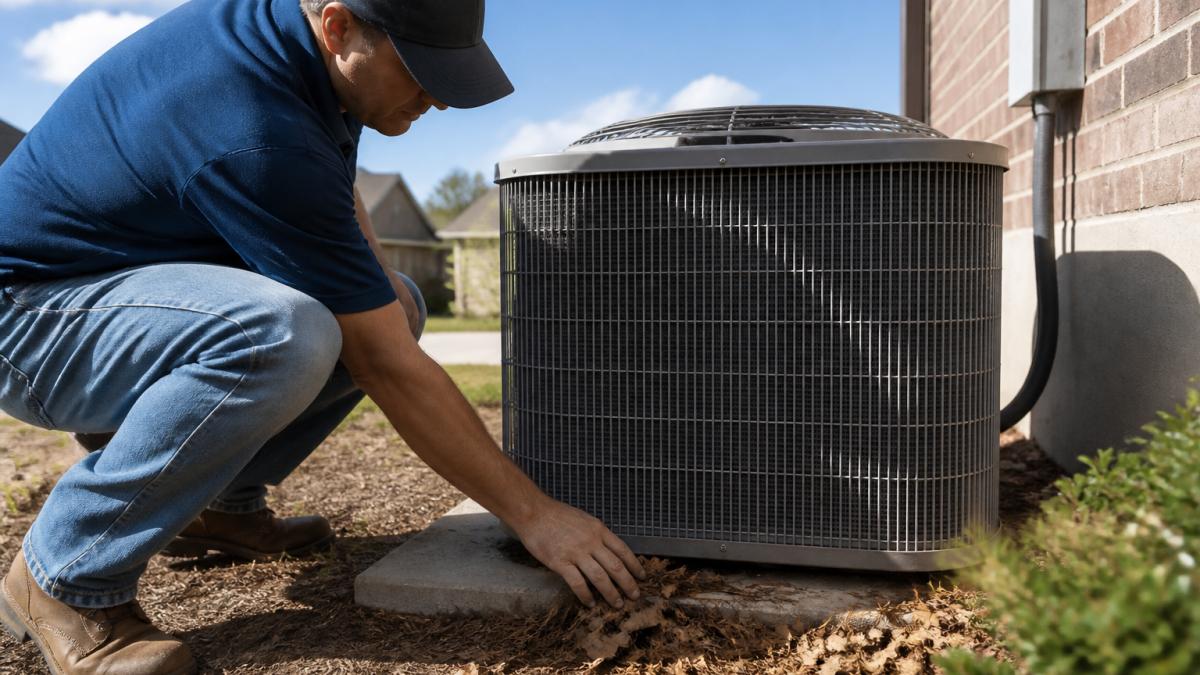
Start outside. Walk around your condenser unit, the large metal box that sits on the ground. Look for debris: leaves, dirt, grass clippings, and branches can block airflow and force your system to work harder. Clear away anything within two feet of the unit.
Check the fins (the thin metal slats on the sides). They should be straight and intact. If they're bent or damaged, airflow is compromised. Also look at the base: is there standing water or rust? That signals drainage or corrosion problems.
Inside, locate your indoor unit, usually mounted on a wall or in a closet. Is the area around it clean and unobstructed? Air needs to flow freely into and out of this unit. Remove boxes, furniture, or anything blocking the vents.
Filter and Airflow Assessment
Your air filter is the easiest maintenance task you can do yourself. Locate it, usually in a return air vent, attic, or furnace closet. Hold it up to light. Can you see through it? If it looks gray or brown and clogged, replace it now. A dirty filter restricts airflow, reduces cooling efficiency, and forces your AC to work overtime.
Check your return air vents throughout your home. Are they open and unblocked? Closed vents force your system to work unevenly and can damage the compressor over time. Open every return vent, even in unused rooms.
Thermostat and Electrical Connection Check
Set your thermostat to cooling mode and lower the temperature five degrees below the current room temperature. Does the AC kick on within a minute? If there's a delay or no response, note it for your technician. A slow or unresponsive thermostat often signals a connection issue or a failing unit.
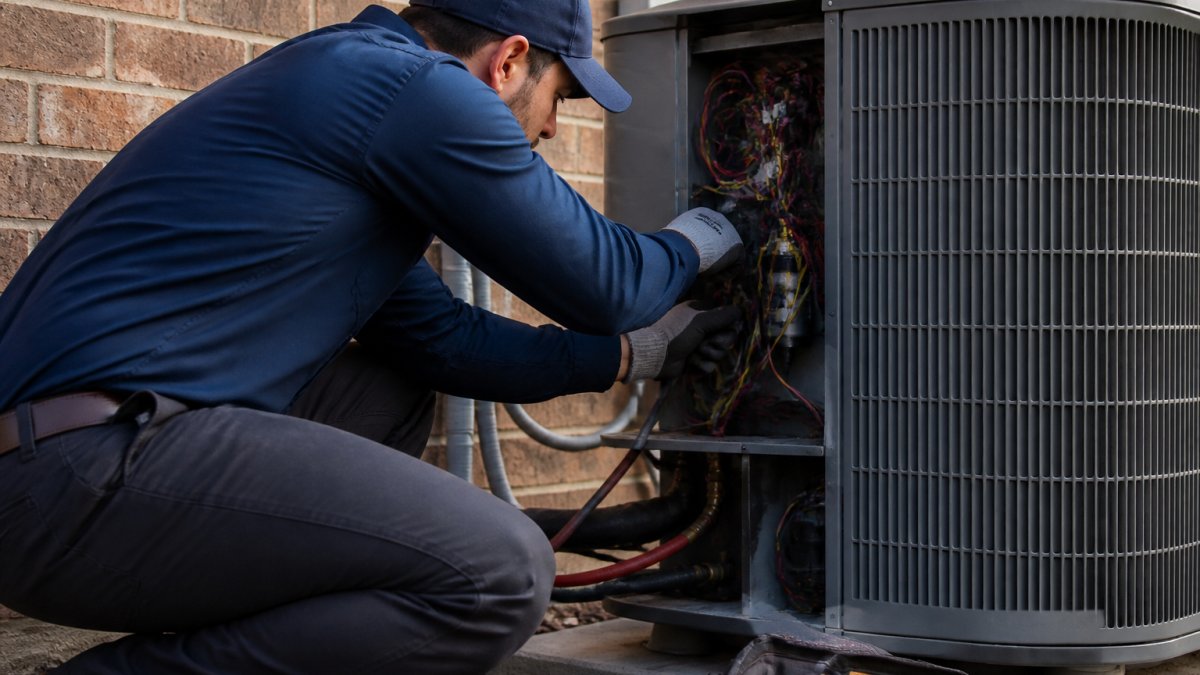
Look at the wires and connections around your outdoor unit and indoor equipment. Are any wires loose, frayed, or disconnected? Corroded or loose electrical connections reduce efficiency and create safety hazards. Don't touch anything, just note what you see and report it.
What a Professional Tune-Up Includes
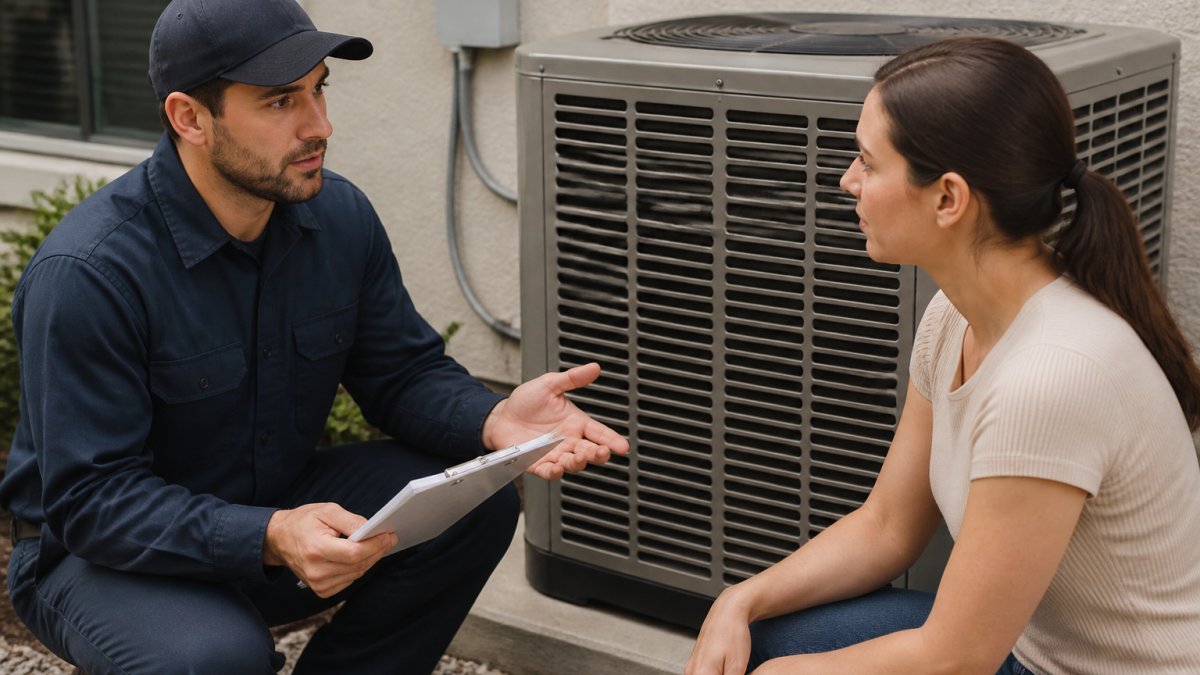
When you call for reliable ac maintenance katy in Texas, a qualified technician performs a detailed inspection that goes far beyond what you can do yourself. Understanding what's included helps you know what to expect and why the service is worth the investment.
A professional tune-up starts with a system inspection. The technician checks refrigerant levels, tests electrical connections, and verifies that all components are operating within manufacturer specifications.
They also measure airflow across the evaporator coil, test the thermostat for accuracy, and inspect ductwork for leaks. They verify that safety switches and controls are functioning correctly. The technician documents everything, temperature readings, voltage measurements, refrigerant pressure, so you have a record of your system's health.
This level of detail catches problems before they become emergencies. A small refrigerant leak detected in spring doesn't become a complete system failure in July. Corroded electrical connections get tightened before they cause a breakdown. The result: reliable cooling all summer, lower energy bills, and fewer unexpected repair calls.
How to Choose an HVAC Contractor You Can Trust
Not all contractors are equal. Some cut corners, overcharge, or lack proper credentials. Before you hire anyone to work on your cooling system, verify their qualifications and understand what you're paying for.
Start by asking for proof of licensing. Every technician working on your AC must hold a valid license issued by the State of Texas. Don't accept verbal assurances, ask to see the actual license.
Ask about experience. How long has the company been in business? Do they specialize in residential or commercial work, or both? Have they worked on your specific equipment brand?
Request references or reviews. Check online platforms for recent customer feedback. Look for patterns, do customers consistently praise the technician's professionalism, or do complaints about pricing or quality recur?
Ask about warranties and guarantees. Does the company stand behind their work? If they install a new system or perform major repairs, what happens if something fails within six months? A contractor confident in their work offers a warranty.
Texas HVAC Contractor License Lookup and Verification
The State of Texas requires HVAC contractors to hold a license. You can verify any technician's credentials directly through official channels. This is your most reliable way to confirm someone is legitimate.
Visit the Texas Department of Licensing and Regulation (TDLR) website and use their license lookup tool. Enter the contractor's name or license number. The database shows whether the license is active, what type of work it covers, and whether any complaints or violations are on file.
Active licenses mean the contractor has met training requirements, passed exams, and maintains liability insurance. It's a baseline credential, not a guarantee of quality, but proof they're operating legally. Any contractor who hesitates to provide their license number or can't be found in the TDLR database is someone to avoid.
Also ask whether the technician carries liability insurance and workers' compensation coverage. If something goes wrong during service, an accidental water leak, equipment damage, or injury, insurance protects you. A contractor without insurance is passing risk directly to you.
Questions to Ask an HVAC Contractor Before Hiring
Before you commit to hiring someone for AC maintenance, ask these questions. The answers reveal how to choose an HVAC contractor and whether this business is right for your needs.
What does your maintenance service include? Get specifics. Does it cover filter replacement, coil cleaning, electrical inspection, refrigerant testing, and ductwork evaluation? Some companies offer basic service; others provide comprehensive tune-ups.
How often should I schedule maintenance? Most systems benefit from two tune-ups per year, one before cooling season in spring and one before heating season in fall. Some contractors recommend annual service; others suggest twice yearly. Ask why they recommend their schedule.
What's your response time for emergency calls? Summer breakdowns happen on weekends and at night. Does the company offer 24/7 emergency service, or only business hours?
Do you offer maintenance agreements? Many contractors provide annual plans that bundle tune-ups, priority scheduling, and discounts on repairs. Ask whether a plan makes financial sense for your situation.
Can you diagnose all major brands? Your AC might be a Carrier, Lennox, Trane, or something else. Does the technician have experience with your specific equipment?
What happens if you find a problem during maintenance? Will they explain the issue clearly, show you the problem, and give you options before proceeding with repairs?
Warning Signs Your AC Needs Maintenance Now
Some problems demand immediate attention. If you notice any of these warning signs, schedule service right away. Ignoring them risks a complete system failure during peak heat.
Weak or uneven cooling. If some rooms cool quickly while others stay warm, airflow is unbalanced.
Unusual sounds. A functioning AC runs quietly. Grinding, squealing, or rattling noises mean something is wrong, a loose component, a failing compressor, or debris in the system.
Visible leaks or moisture. Water pooling around your indoor or outdoor unit indicates a drainage problem or a refrigerant leak. Both require professional repair.
Higher than usual energy bills. If your cooling costs spike without a change in usage, your system is working inefficiently.
The system won't start or cycles on and off constantly. This signals an electrical problem, a thermostat malfunction, or a compressor issue. Get professional diagnosis immediately.
Bad smells. A musty odor suggests mold in the ducts or evaporator coil. A burning smell indicates an electrical problem. Both need professional attention.
Maintenance Timing for Katy's Heat and Humidity
Timing matters. Schedule maintenance strategically to protect your system when it matters most.
Spring tune-up (March to April). Before cooling season begins, have your system inspected and cleaned. This is the best time to catch problems before summer stress.
Fall tune-up (September to October). After a brutal summer, your system needs a checkup. Refrigerant levels may be low, coils may be dirty, and electrical connections may have loosened from constant use.
Humidity management year-round. The moisture here doesn't stop in summer. Even in winter, humidity can trigger mold growth in ducts and evaporator coils. Regular filter changes and coil cleaning prevent moisture-related problems.
If your system is older (over 15 years) or has a history of problems, consider adding a third tune-up in mid-summer. This catches issues mid-season and prevents emergency breakdowns during peak heat.
| Maintenance Task | Recommended Timing | Frequency | What It Prevents |
|---|---|---|---|
| Filter replacement | Monthly or quarterly | As needed | Reduced airflow, efficiency loss |
| Spring tune-up | March-April | Annual | Summer breakdowns, poor cooling |
| Fall tune-up | September-October | Annual | Winter issues, next-season problems |
| Coil cleaning | Spring and fall | Twice yearly | Mold, corrosion, reduced cooling |
| Refrigerant check | During tune-ups | Twice yearly | Leaks, low charge, efficiency loss |
| Electrical inspection | During tune-ups | Twice yearly | Connection failures, safety hazards |
Reliable AC maintenance keeps your system running through the toughest climate in the region.
Frequently Asked Questions
How often should I have an AC maintenance visit?
Most HVAC professionals recommend scheduling AC maintenance twice per year: once in spring before cooling season and once in fall before heating season. In hot climates like Katy, spring maintenance is critical to ensure your system performs reliably during peak summer demand. Annual maintenance at minimum keeps your system running efficiently and helps catch problems before they become expensive repairs.
What should an AC maintenance visit include?
A thorough professional tune-up includes inspecting and cleaning the evaporator coil and condenser coil, checking refrigerant levels, testing electrical connections, replacing or cleaning the air filter, inspecting the condensate drain, verifying thermostat accuracy, and testing the system's cooling performance. The technician should also inspect ductwork for leaks and document all findings so you know exactly what was serviced.
How can I verify an HVAC contractor's license in Texas?
Visit the Texas Department of Licensing and Regulation (TDLR) website and use their license lookup tool. Search for the contractor's name or license number to confirm they hold a valid HVAC license. Verify that the license is current and active. Ask the contractor for their license number upfront, and cross-check it before scheduling service. Licensed technicians have completed training and passed exams required by the state.
What questions should I ask before hiring an AC maintenance company?
Ask for proof of licensing and insurance, whether technicians are certified, what the service includes, pricing for the visit, warranty on work performed, availability for emergency calls, and how long they've served the area. Request references or customer reviews, and confirm they provide a written estimate. Ask if they offer maintenance plans and what happens if a newly installed system fails within the first year.