 listicle
Benefits of Annual HVAC Maintenance Plans
Table of Contents
- Why Annual HVAC Maintenance Plans Matter
- What Is Included in an HVAC Maintenance Plan
- How Often to Service HVAC System
- Lower Energy Costs and Improved Efficiency
- Prevent Unexpected Breakdowns and Reduce Repair Costs
- Annual HVAC Maintenance Checklist and What Technicians Do
- HVAC Maintenance Plan Cost and Break-Even Analysis
- Is an HVAC Maintenance Plan Right for You
- Frequently Asked Questions
Last Updated: October 14, 2026
Why Annual HVAC Maintenance Plans Matter
An annual HVAC maintenance plan is a service agreement covering scheduled inspections, cleaning, and routine maintenance of your heating and cooling system, typically once or twice per year. These plans transform how homeowners manage comfort and energy costs.
Your HVAC system works harder than almost any appliance in your home. Without regular attention, small issues compound into expensive failures, often at the worst possible time.
A maintenance plan removes the guesswork: scheduled visits catch problems early, plus perks like priority scheduling and repair discounts add value year-round.
What Is Included in an HVAC Maintenance Plan
Most maintenance plans include two components: seasonal inspections and service benefits. Knowing what's included helps you compare plans.
Seasonal Inspection and Cleaning
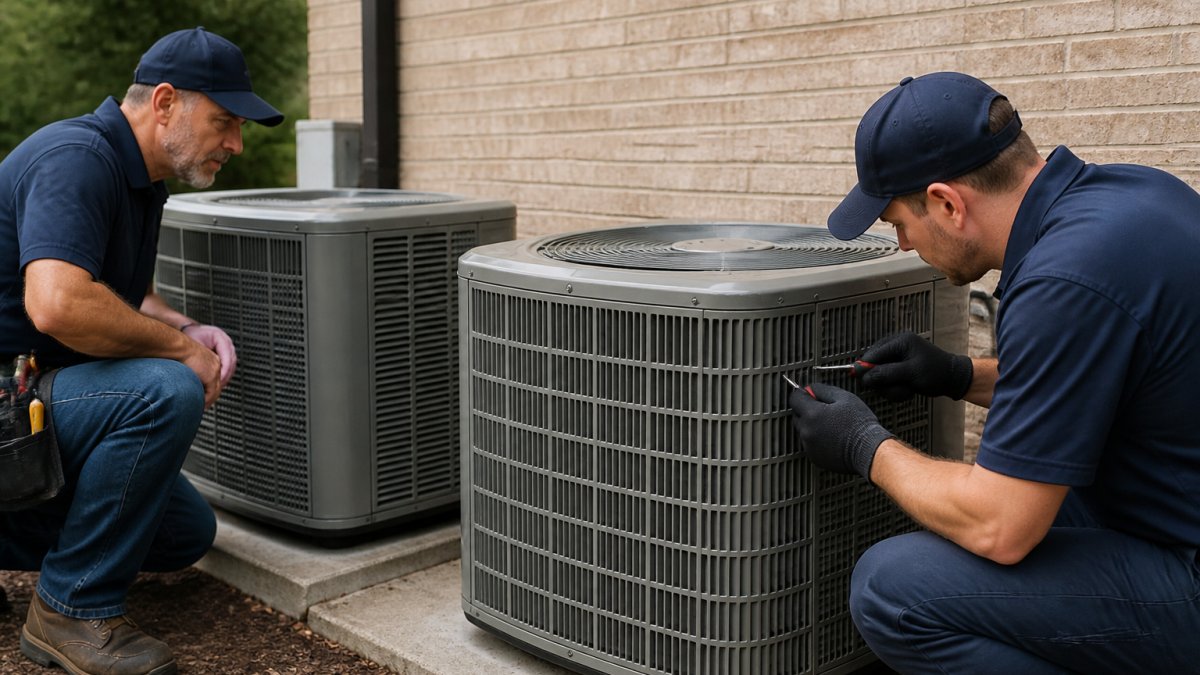
A typical visit includes a thorough inspection and cleaning: technicians check refrigerant levels, test electrical connections, inspect ductwork for leaks, clean or replace air filters, lubricate moving parts, and verify thermostat function.
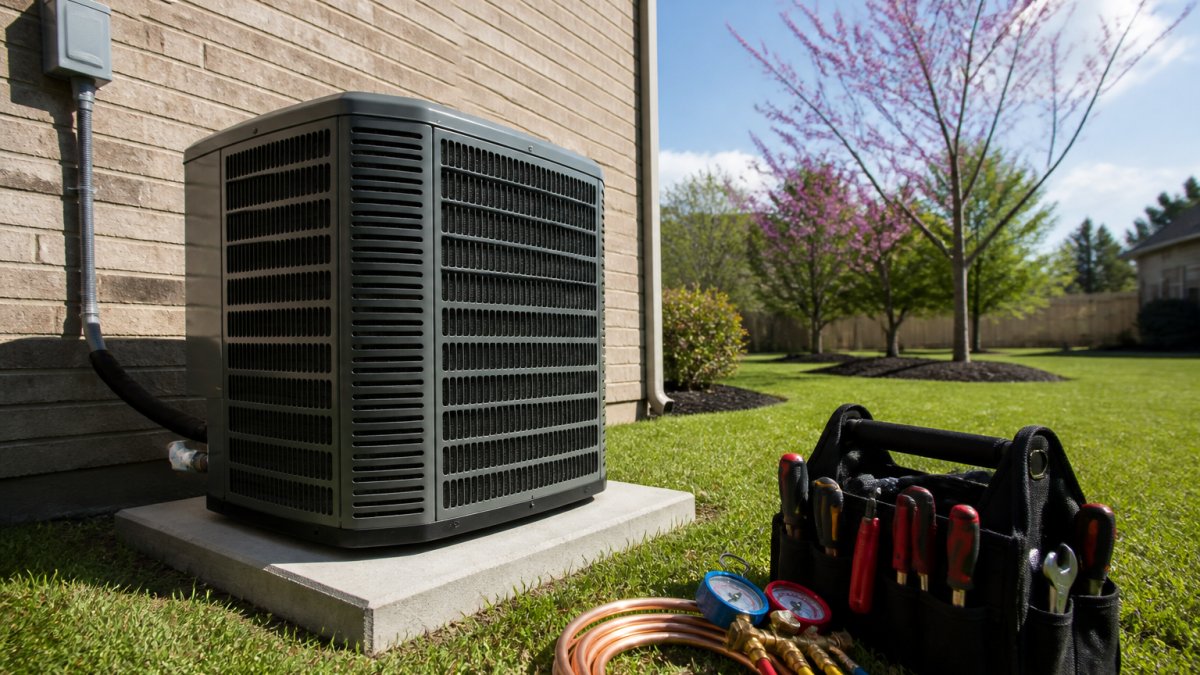
Before cooling season, technicians check the outdoor condenser unit, verify airflow, and ensure efficient cooling. Before heating season, they inspect your furnace, test ignition systems, and confirm safe operation.
This seasonal approach matters: a spring tune-up catches issues before summer heat, and a fall furnace inspection ensures reliable heating when temperatures drop.
Priority Service and Discounts
Service plans typically include priority scheduling, so calls get answered faster and appointments come sooner than for non-members, a significant advantage during peak-season emergencies.
Most plans also offer repair discounts of 10% to 20% off labor and parts, and some include free service calls, waived diagnostic fees, or discounts on replacement equipment.
These perks create real savings: an emergency repair costing several hundred dollars becomes manageable with a plan discount, and over a few years those savings often exceed the plan cost.
How Often to Service HVAC System
HVAC maintenance frequency depends on your system's age, usage, and local climate. Most professionals recommend annual or biannual service.
Annual service suits newer systems in good condition and milder climates: one visit per year, typically in spring, for basic inspection and cleaning.
In the Houston area, biannual service often makes sense: intense summer cooling demands make a spring tune-up essential, and a fall inspection confirms your heating works if temperatures drop unexpectedly.
Lower Energy Costs and Improved Efficiency
A well-maintained HVAC system runs more efficiently, directly reducing monthly utility bills.
Maintenance visits address all of these: technicians replace filters, clean coils, and verify refrigerant levels, so your system reaches its set temperature faster with less runtime.
Efficiency also improves performance: your air conditioner cools faster on hot days, your furnace heats more consistently on cold mornings, and your utility bill reflects the gain.
Prevent Unexpected Breakdowns and Reduce Repair Costs
The most compelling reason to maintain your HVAC system is avoiding sudden failures. A breakdown during a summer heatwave or winter cold snap means expensive emergency calls, premium-priced parts, and no heating or cooling.
Maintenance plans prevent this: regular inspections catch worn components before they fail, so a technician might replace a wearing bearing during a routine visit and prevent a complete compressor failure weeks later.
When repairs become necessary, members receive discounts that make a several-hundred-dollar repair more manageable, over time, the plan pays for itself.
Annual HVAC Maintenance Checklist and What Technicians Do
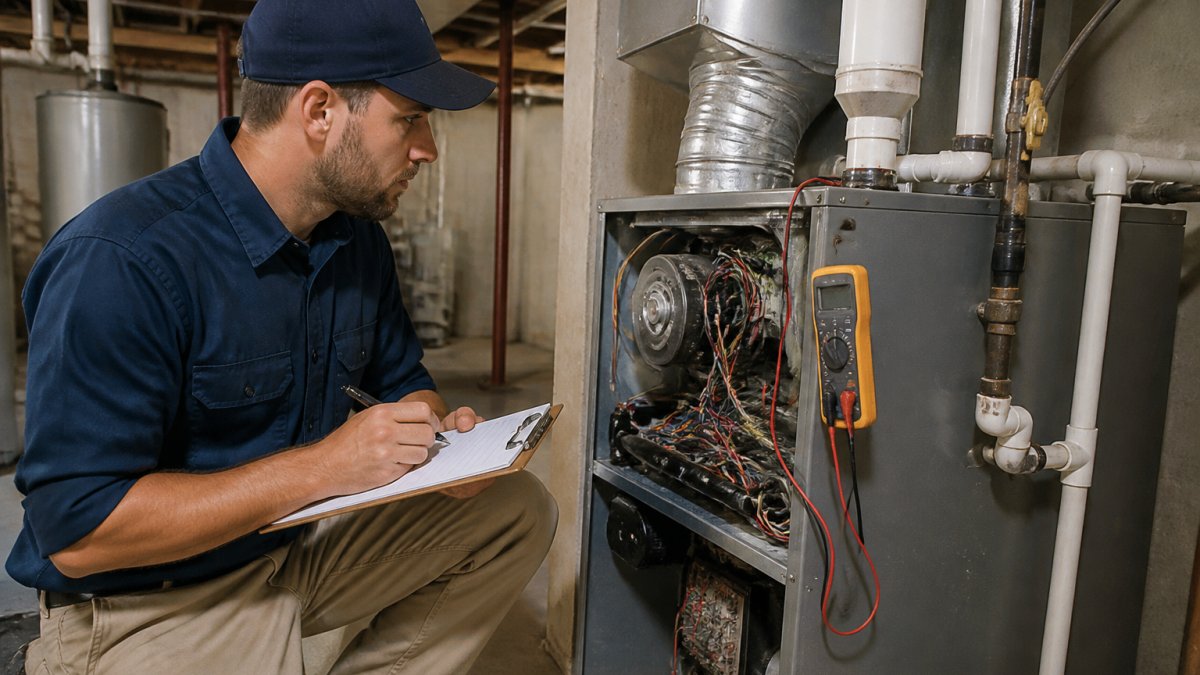
Knowing what happens during a maintenance visit helps you understand what to expect and why each step matters.
- Clean or replace air filters
- Inspect and clean evaporator and condenser coils
- Check refrigerant levels and pressure
- Test thermostat accuracy and calibration
- Inspect electrical connections and tighten as needed
- Lubricate moving parts (bearings, motors)
- Check ductwork for leaks or disconnections
- Verify gas furnace ignition and combustion
- Test safety switches and controls
- Inspect outdoor unit for debris or damage
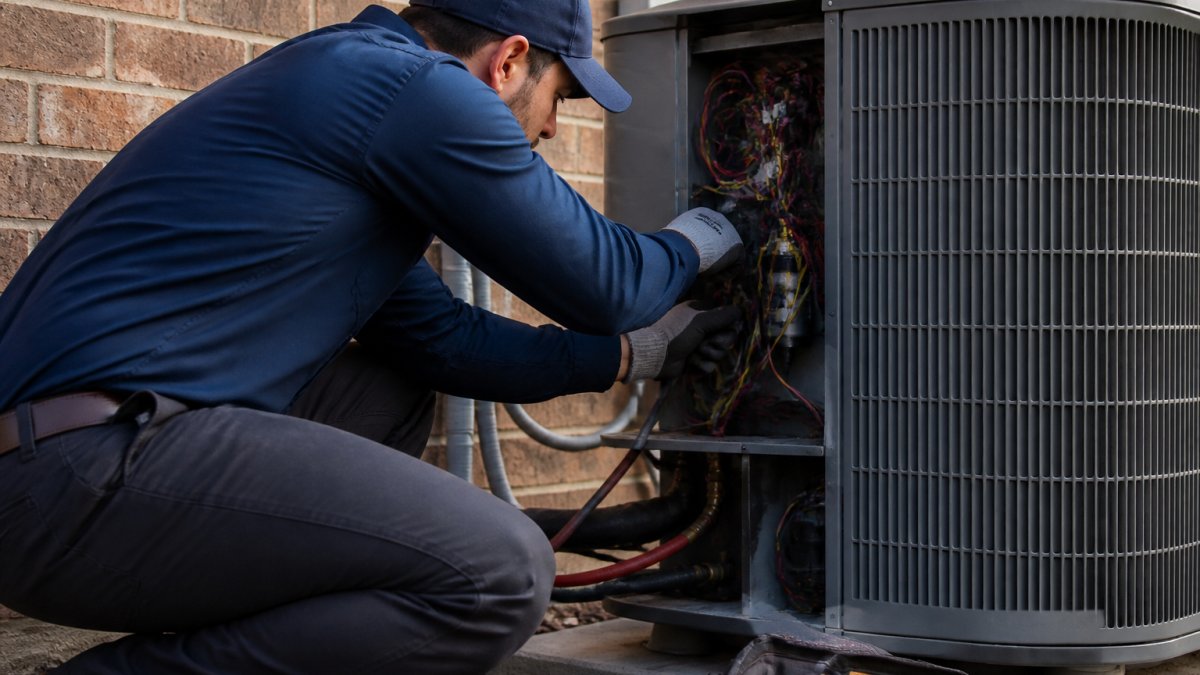
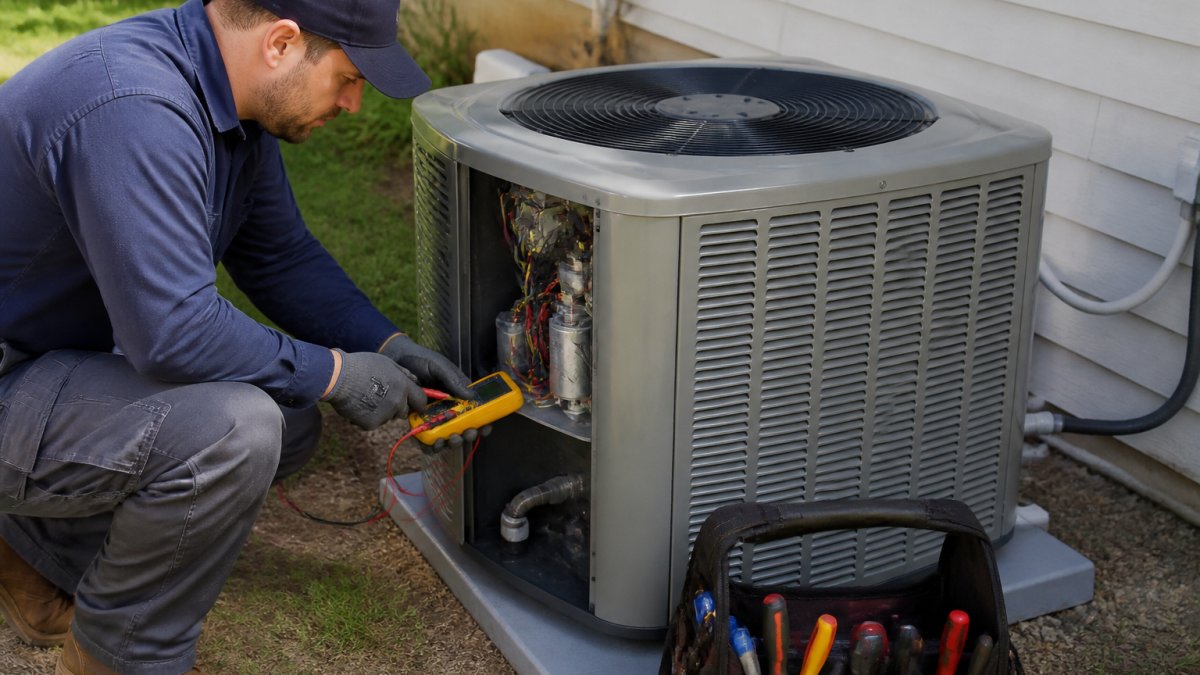
The inspection typically takes 1-2 hours. Technicians use specialized tools to measure refrigerant pressure, test electrical circuits, and verify operation, then document findings on a service report.
This comprehensive approach catches small problems before they become expensive failures: a frayed wire replaced, a minor refrigerant leak sealed, a worn filter swapped before it restricts airflow.
HVAC Maintenance Plan Cost and Break-Even Analysis
Plan pricing only tells half the story. To judge whether a plan pays off, compare the annual fee against the costs it replaces: tune-ups, diagnostic fees, repair labor, and the probability of a major failure. The table below shows common plan tiers.
| Plan Type | Typical Annual Cost | What's Included | Best For |
|---|---|---|---|
| Basic Annual | $100-$150 | One seasonal visit, filter replacement, basic inspection | Newer systems in mild climates |
| Standard Annual | $150-$250 | One visit, full inspection, cleaning, priority scheduling | Most homeowners with average systems |
| Premium Biannual | $250-$400 | Two visits (spring and fall), full service, repair discounts, priority scheduling | Older systems or extreme-climate areas |
| Comprehensive | $400-$600 | Multiple visits, parts coverage, extended warranties, emergency service | Older systems or light commercial use |
Running the Break-Even Math
Start with what a standalone tune-up costs. An air conditioning tune-up and a furnace tune-up can be significant out-of-pocket expenses before any repair. A plan that includes both visits can be close to break-even on service alone.
Now add the soft costs a plan usually waives or discounts:
- Diagnostic or trip fees for non-members.
- Repair labor discounts: commonly 10%-20% off.
- Parts discounts: commonly 10%-15% off.
- Priority scheduling: no direct price, but it shortens wait times during peak demand.
A simple way to frame it: if a plan includes tune-ups, it only needs to save you elsewhere, through a waived diagnostic fee, a repair discount, or one avoided emergency call, to come out ahead. Most homeowners hit that threshold with a single mid-size repair.
Energy Savings: What the Numbers Actually Look Like
The Department of Energy notes that regular maintenance, including cleaning or replacing filters, can lower a system's energy use. A common planning assumption is a 5%-15% efficiency improvement after a neglected system is serviced. For a home spending $1,500 a year on heating and cooling, that equals roughly $75-$225 in annual savings. Treat that as illustrative, not a guarantee, since results depend on your equipment, climate, and how overdue the maintenance was.
The Fine Print That Changes the Math
Two plans with the same price can deliver very different value. Before you sign, check:
- Exclusions. Many plans cover labor but not refrigerant, motors, compressors, or major components. Read what is explicitly excluded.
- Cancellation and renewal terms. Look for auto-renewal clauses, notice windows, and any early-termination fee.
- Response-time promises. "Priority scheduling" is vague. Ask whether the plan commits to a specific window, such as same-day or next-day service during peak season.
- Covered equipment. Confirm the plan covers every unit you own, including a second system, mini-splits, or a packaged unit.
- Transferability. If you sell the home, can the buyer inherit the remaining plan term? Transferable plans can be a small selling point.
- Maintenance records. Ask whether you receive written service reports, since those records matter for warranty claims.
Is an HVAC Maintenance Plan Right for You
The honest answer is that a plan is a good fit for some households and a poor fit for others. The deciding factors are usually warranty status, system age, how long you plan to stay, and whether you would actually schedule maintenance on your own.
The Warranty Angle Most Homeowners Miss
Many manufacturer warranties require periodic professional maintenance to keep coverage in force. If a compressor fails at year six and the manufacturer asks for proof of annual service, a stack of maintenance records protects your claim. A plan that produces written service reports each visit documents that compliance.
This is also why a plan can make sense on a newer system. The equipment may be under warranty, but the warranty may be conditional on documented maintenance.
A Plan Tends to Make Sense If:
- Your system is over 8 years old and showing wear.
- Your equipment warranty requires documented annual service.
- You want to avoid emergency repair costs and the inconvenience of a mid-summer or mid-winter failure.
- You value priority scheduling during peak demand.
- You plan to stay in the home at least 3 more years.
- Your system runs heavily because of climate, home size, or occupancy.
- You would not reliably schedule and track tune-ups on your own.
A Plan May Not Be Worth It If:
- You are moving within 1-2 years and the plan is not transferable.
- Your system is new, fully covered, and the warranty does not require professional maintenance.
- You already have a trusted technician who charges fair rates and you keep your own records.
- You are comfortable paying for repairs as they arise and prefer not to prepay.
- You live in a mild climate where the system runs lightly and failures are rare.
How to Compare Plans Before You Buy
Once you decide a plan is worth considering, compare offers on these terms rather than on price alone:
- Number and timing of visits. One visit or two? Spring-only, fall-only, or both?
- Task list per visit. Ask for the written checklist so you can compare what is actually performed.
- Repair and parts discounts. Confirm the percentage and whether it applies to labor, parts, or both.
- Diagnostic fee policy. Is it waived for members, or only discounted?
- Response-time commitment. Get the promise in writing, including peak-season language.
- Exclusions and coverage limits. Note any per-repair cap or annual coverage ceiling.
- Cancellation, renewal, and transfer terms. Know what it costs to leave and whether the plan follows the home.
A Balanced Bottom Line
A maintenance plan is not insurance and not a guarantee that nothing will break. It is a prepaid service relationship that trades a predictable annual fee for scheduled visits, documented records, and member pricing on repairs. For homeowners with older equipment, warranty obligations, or a preference for predictable costs, that trade usually works.
If you are on the fence, price out a single tune-up plus one diagnostic fee in your area and compare that total to the plan fee. That comparison often settles the decision.
Frequently Asked Questions
Does annual HVAC maintenance actually lower energy bills?
Yes. A well-maintained system runs more efficiently because clean filters, lubricated parts, and properly charged refrigerant reduce the energy needed to heat or cool your home. Routine maintenance removes dust and debris that force your system to work harder. Most homeowners see measurable savings on their utility bills within the first year of joining a maintenance plan, especially if their system was previously neglected.
What is included in an HVAC maintenance plan?
Most plans include two seasonal visits per year: one in spring before cooling season and one in fall before heating season. Technicians inspect and clean components, check refrigerant levels, test electrical connections, replace or clean filters, and lubricate moving parts. Many plans also offer priority scheduling during emergencies, discounts on repairs and parts, and maintenance records kept on file for warranty purposes.
How much does an HVAC maintenance plan cost?
Annual maintenance plans vary in cost, depending on your system size, location, and plan inclusions. While this may seem like an added expense, repairs can be costly. A maintenance plan often pays for itself by catching small problems before they become expensive breakdowns. Contact your local HVAC provider for a quote tailored to your specific system and needs.
How often should I service my HVAC system?
Most manufacturers and HVAC professionals recommend servicing your system twice per year: once before the cooling season begins (spring) and once before the heating season (fall). This biannual schedule allows technicians to identify and fix wear and tear specific to each season. Homes in extreme climates or older systems may benefit from more frequent service. A maintenance plan ensures these visits happen on schedule without you having to remember to book them.